Roof Repair 101: Key Insights for Every Homeowner
Possessing a house comes with a multitude of obligations, and one of the most critical aspects is confirming that your ceiling is in good condition. If you're facing light repairs or contemplating a full roofing replacement, comprehending the nuances of hiring a roofer is crucial. With so many choices available, it can be challenging to know whom to count on with such an significant investment. This article aims to equip homeowners with the information needed to traverse the roofing landscape with confidence.
From confirming a roofer's credentials to spotting caution signals that could indicate a less-than-reputable contractor, we will cover key considerations every homeowner should consider before putting pen to paper on the agreement. You'll find out about the importance of detailed roofing quotes, how to spot shady storm chasers, and the queries you should ask potential roofers to ensure you're making an wise decision. By the end of this guide, you'll be better prepared to protect your house and asset when it comes to roofing repairs or roof replacement.
Checking Roofing Contractor Qualifications
Before employing a roofing contractor, it is important to verify their qualifications to make sure you are hiring a legitimate professional. Start, by checking if the roofer possesses a current licensing. Many states require roofing contractors to be certified, and this confirms they have met certain criteria and approved practices. You can generally confirm a roofing contractor's licensing via the web through your state’s regulatory board. Don't sign any contracts until you have checked their license status.
Along with their licensing, ensure to confirm if the roofer is properly insured. Roofing Bristol means having both liability insurance and workers’ compensation coverage. Liability insurance shields you from damages that may occur to your assets during the roofing project, while workers’ compensation guarantees that workers are protected in case of an injury on the job. Obtain proof of insurance and verify it with the insurance company to avoid potential legal and financial troubles.
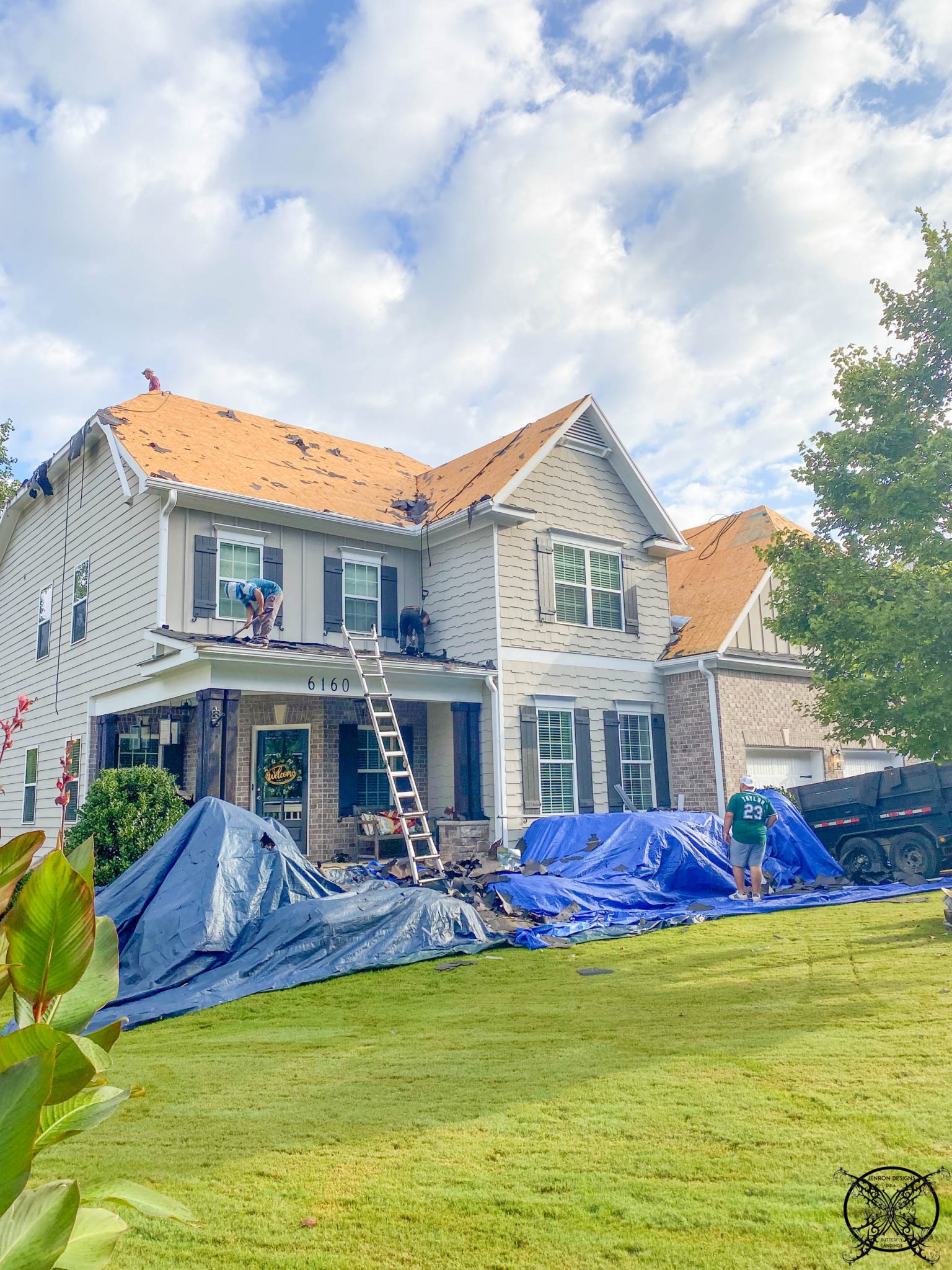
One more important element of confirming a roofing contractor's qualifications is evaluating their experience and standing in the industry. This can consist of reviewing web-based feedback, assessing their BBB ratings, and requesting references from previous clients. A reputable roofing contractor should have a track record of positive feedback and be willing to offer you with samples of their projects. Taking these steps will help you find a competent roofing contractor who can be trusted to complete your roofing project effectively.
Understanding Rooftop Quotes
While assessing roofing quotes, it is essential to comprehend what a authentic quote should include to avoid any surprises later down the line. A thorough quote will clearly define the extent of work, comprising supplies, labor expenses, and any potential extra costs. Be on the lookout for distinct types of supplies, their brands, and quantities, as this information can assist you compare various quotes efficiently. Additionally, be cautious of quotes that are missing clear details or seem to be vague, as these may indicate hidden costs or a absence of expertise.
An additional important factor to take into account is the pricing structure. Though it might be enticing to select the most affordable bid, remember that this approach can frequently lead to compromised standards or inadequate service. A well-rounded quote should provide a balance of cost, quality, and support, evaluating the advantages of every offer in total. Consider the long-term value instead of just the initial cost, and don’t be afraid to inquire questions inconsistencies in pricing among the various offers.
In conclusion, pay care to any caveats or small print in the estimates. Such details can disclose critical details about warranties, deadlines, and payment structures. Make sure to verify that your estimate covers details about permits and inspections, as well as any assurances provided on labor and supplies. Grasping these elements will assist ensure that you choose the right roofer and avoid potential problems that could lead to extra expenses or substandard work.
Hiring and Overseeing Your Roofing Contractor
When choosing a roofer, it's important to start with detailed research. Verify a roofer's credentials before you agree to anything to ensure they are legally licensed to carry out the work. This usually involves checking with your local regulatory authority. Additionally, understanding what a legitimate roofing estimate should always include, such as specific labor and supplies costs, helps eliminate issues down the line. Ask for referrals and obtain multiple quotes to compare, remembering that the cheapest bid is rarely the most advantageous option.
Once you've selected a roofing contractor, effective dialogue is vital. Ensure to pose the seven key inquiries to address any concerns you may have. Talk about the schedule for the job and how long it should require, distinguishing what is standard from potential warning signs. It's also smart to get written confirmation on important information, ensuring you never hire a roofer without the required paperwork. This reinforces accountability and establishes clear guidelines.
As the project progresses, monitor the progress closely. Watch for signs of substandard roofing work, and don't hesitate to voice any issues. Familiarizing yourself with what to look for when a roofing project is completed will help you assess whether the work meets your expectations. Keep in mind that if your contractor were to cease operations mid-job, having the appropriate documentation can alleviate problems. By being vigilant in overseeing your contractor, you can help ensure a more seamless experience and a top covering that safeguards your home effectively.